


The war with Iran continues to drag on….and on…and on.
As is generally true with wars, the longer the war lasts, the more problematic the question of “victory” becomes.
Some strategic thinkers, such as James Jay Carafano, argue that President Trump has already won the war.
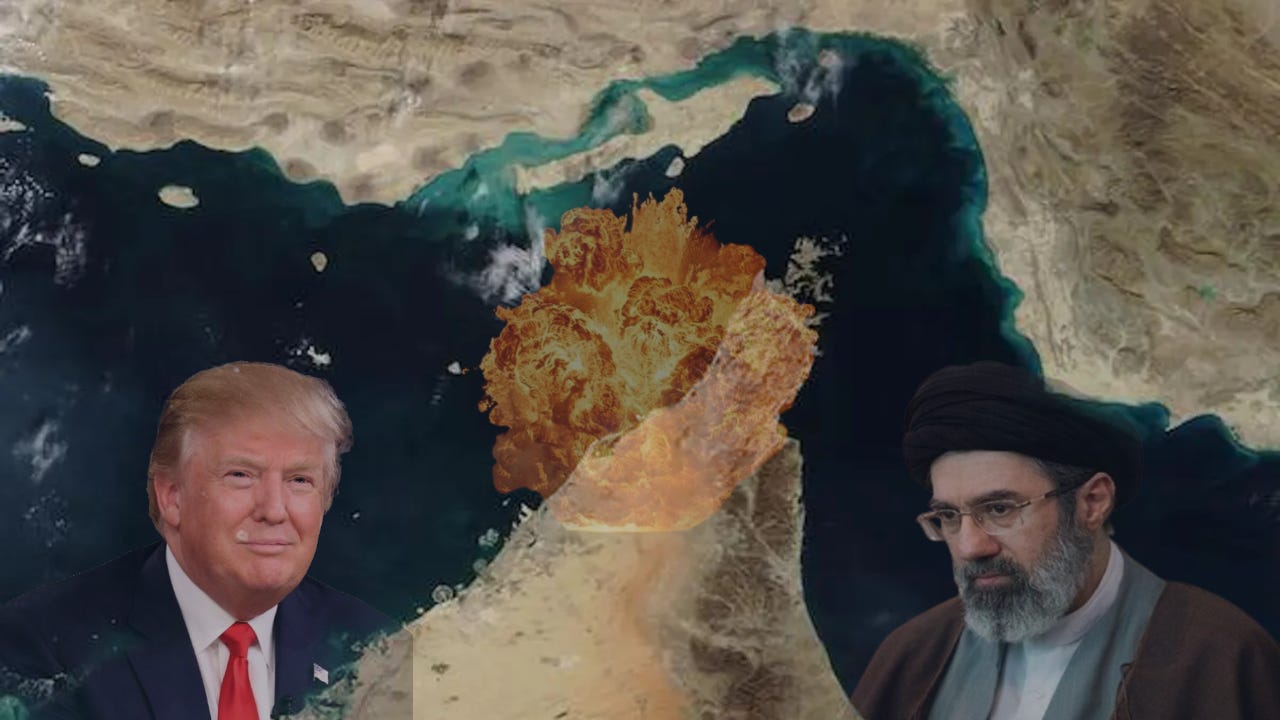
A good fight has a “theory of victory,” a logical, feasible, suitable, and acceptable means to justify calling a win in war. That guidepost is the best measure of success.
For Trump, a win is to squash Iran’s capacity to destabilize the region, creating space for regional collective security, reconstruction, and economic resilience, providing a long-term deterrent against a resurgent regime. From the Abraham Accords to the work of the Board of Peace, and major economic initiatives like IMEC and Tripp, the expectation is that the real measure of Iranian defeat is if these initiatives flourish. That’s the theory of victory.
The real test of “is Trump winning” is if there are signs that the long-term peace structure the president is seeking to replace the overshadowing threat of Iran is emerging. Everywhere you look in the region—the answer is yes.
Is that really so?
The economic dislocations from the ongoing closure of the Strait of Hormuz are looming larger and more imminent—and promise to crash over all the world’s economies.
The price of “victory” is rising for both sides.
The Casus Belli Remains Iran’s Nuclear Weapons Obsession
While the economic fallout from the war continues to rise, we do well to remember the underlying catalyst for Operation Epic Fury: Iran’s nihilistic obsession with developing nuclear weapons.
That was the justification for the initial attacks. That remained the red line which ultimately became the stumbling block for the Islamabad talks.
Nor is there any room for doubt about Iran’s nuclear weapons ambitions. Iranian Foreign Minister Abbas Araghchi, early on in the conflict, openly admitted that Iran had some 440kg of 60% enriched uranium, which he claimed could be turned into some ten atomic bombs.
Yet while Araghchi claimed Iran had no intention of making nuclear weapons, the indisputable reality is that established peaceful uses of fissile uranium call for enrichment at between 3% and 5%. 60% enrichment is useful only as a stepping stone to the 90%+ enrichment needed for nuclear weapons.
That Iran was enriching uranium to 60%, with intention of enriching further, is itself conclusive proof that Iran’s goal is nuclear weapons production. There are no other uses for 60% enriched uranium. If Iran was not intending to develop nuclear weapons, Iran would not be enriching to 60% and looking to enrich further.
Given Iran’s lengthy history of exporting terrorism around the Middle East and around the world, how much economic privation is worth keeping nuclear weapons out of Iranian hands?
Given Iran’s lengthy history of not negotiating in good faith, was there ever a realistic alternative to Operation Epic Fury?
I do not pretend to have the answers to either question, other than to say that I consider the prospect of a nuclear-armed Iran to be an unacceptable risk to the entire world.
Persian Gulf Oil Is Not Flowing
While the prospect of a nuclear-armed Iran is fairly terrifying all on its own, the current reality in the Persian Gulf is arguably no less alarming.
Because of the war, Persian Gulf oil remains effectively off global markets. Except for the brief ceasefire interlude under the Memorandum of Understanding, no oil has moved through the Strait of Hormuz since the start of the war.
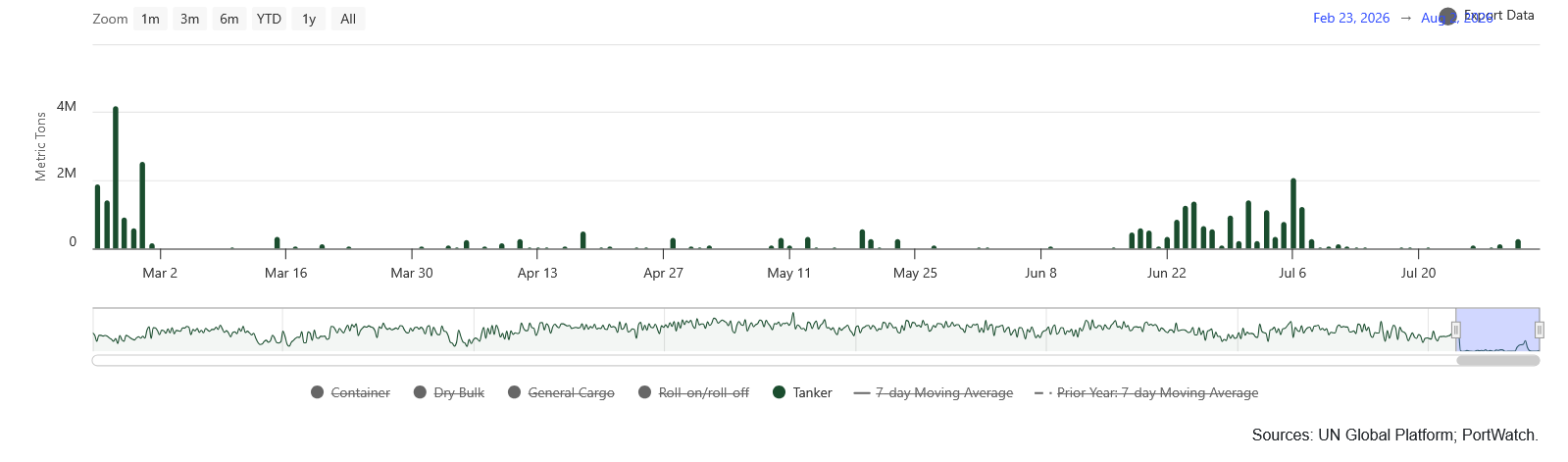
As much as 20% of global oil supply has been effectively removed from global markets.
The consequence to the countries around the Persian Gulf is potentially quite damaging in the long term, as the closure of the Strait has forced steep reductions in oil production, only some of which has been recovered as of June.
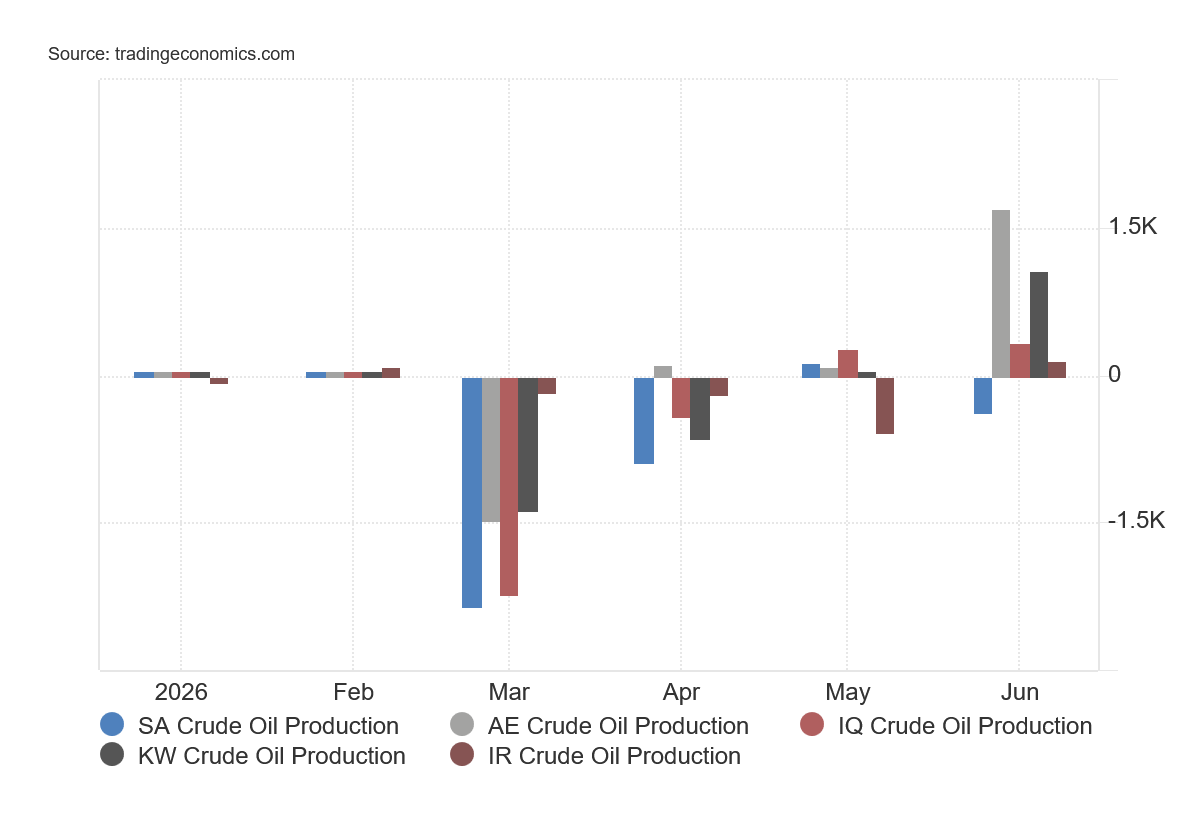
Oil production, once shuttered, is frequently challenging to restart, and some wells may not be returned to full production for months or even years. The longer oil fields are shut in, the less likely they will be as productive in the future as before the war.
This is particularly relevant for Iran, as recent reports indicate that the US blockade of Iranian shipping has effectively idled Kharg Island, Iran’s principal oil terminal and the origin of 90% of its oil exports.
If Iran is not shipping oil, Iran will soon be forced to shut in an increasing amount of its oil production, which carries very negative prospects for Iran’s future economy, which is already in a state of near-collapse.
Persian Gulf oil is not flowing now, and some of it may not flow ever again.
That loss of supply is a cost the world will bear, one way or another.
Iran’s Economy Is Collapsing Regardless Of War’s Outcome
For Iran, the war is a particular burden, given decrepit state of the Iranian economy even before the war. Iran’s economy has been contracting and collapsing for years, and the IMF projects the Iranian economy will shrink a further 5.4% this year, bringing Iran’s total economic contraction since 2017 to approximately 29%.
Exacerbating the economic collapse has been the collapse of the Iranian rial. When the rial fell to over 1.4 million rials to the dollar last December, the country saw its worst anti-government protests since 2009. Since then the rial has eroded further, and now sits at over 1.8 million rials to the dollar.
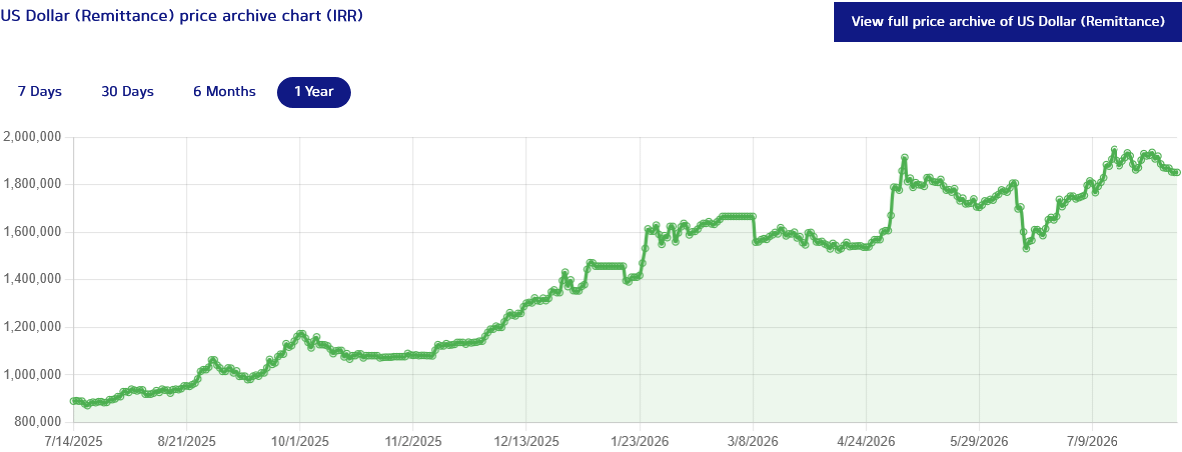
As usually happens when currencies collapse, prices soar, quickly producing hyperinflation. The country has grappled hyperinflation for years, and the war has pushed consumer price inflation to an eye-watering 88% in recent months.
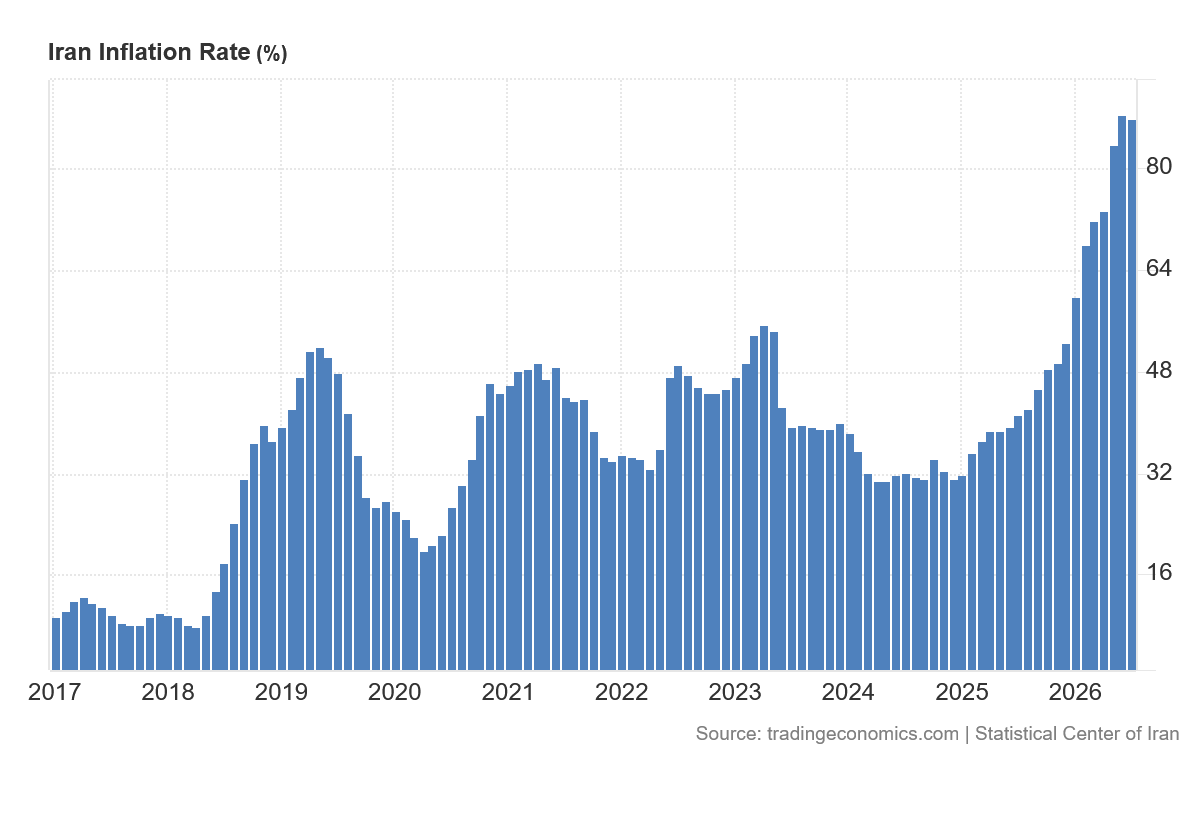
Food price inflation in particular has been eroding Iranian food budgets, and now many Iranians are no longer able to afford meat and dairy items. Just to be able to buy food many Iranians have turned to various credit apps.
If Persian Gulf oil does not start flowing again in the very near future, Iran’s economy may finally reach the point where it triggers fresh social unrest.
President Trump appears to be counting on that happening, given his remarks to Axios over the weekend.
On Sunday, US President Donald Trump made clear that inflicting economic pain on Iran is part of Washington’s strategy.
“We are only semi-negotiating with (Iran). We are just watching Iran with its huge inflation and the fact they have no money,” he said.
The National Council of Resistance of Iran is certainly hoping social unrest will happen, highlighting in a recent article Iranian President Masoud Pezeshkian’s multiple threats to resign over the state of the economy.
There are clear signs of deep fault lines within the Khamenei regime, as was made plain last week when Iran’s Bank of Industry and Mine froze the accounts of the National Iranian Oil Company (NIOC), the company at the heart of Iran’s oil industry.
The action by Bank of Industry and Mine (BIM) comes despite domestic statutory provisions extending NIOC’s debt repayment deadlines through the end of the current Iranian fiscal year in March 2027, Fars reported, without giving the size of the debt or saying when the accounts were frozen.
The bank is a government-owned lender that mainly finances industrial and mining projects.
The apparent mismatch between the repayment timetable and the freezing of the accounts was not explained by Fars.
NIOC, overseen by Iran’s Ministry of Petroleum, sits at the center of the country’s energy industry, managing much of its oil exploration, production and exports and providing a major source of revenue.
While the IRGC remains firmly in control of the levers of government, such signs of increasing factionalism within the Khamenei regime itself begs the question of how long the regime can go through this much turmoil before something finally breaks.
Whether the IRGC claims victory or not, Iran’s economy remains in ruins.
Will the damage be enough to motivate the Iranian people to act, and to topple the Khamenei regime? A great many interested parties to this war are hoping that is indeed the case.
Whither Energy Price Inflation?
As of this writing, the immediate prospects of energy price inflation are unclear.
Crude oil prices peaked in late July, trended down for a time, but have been rising again since August 6, with oil traders largely banking on hopes of a renewed ceasefire agreement in the very near future.
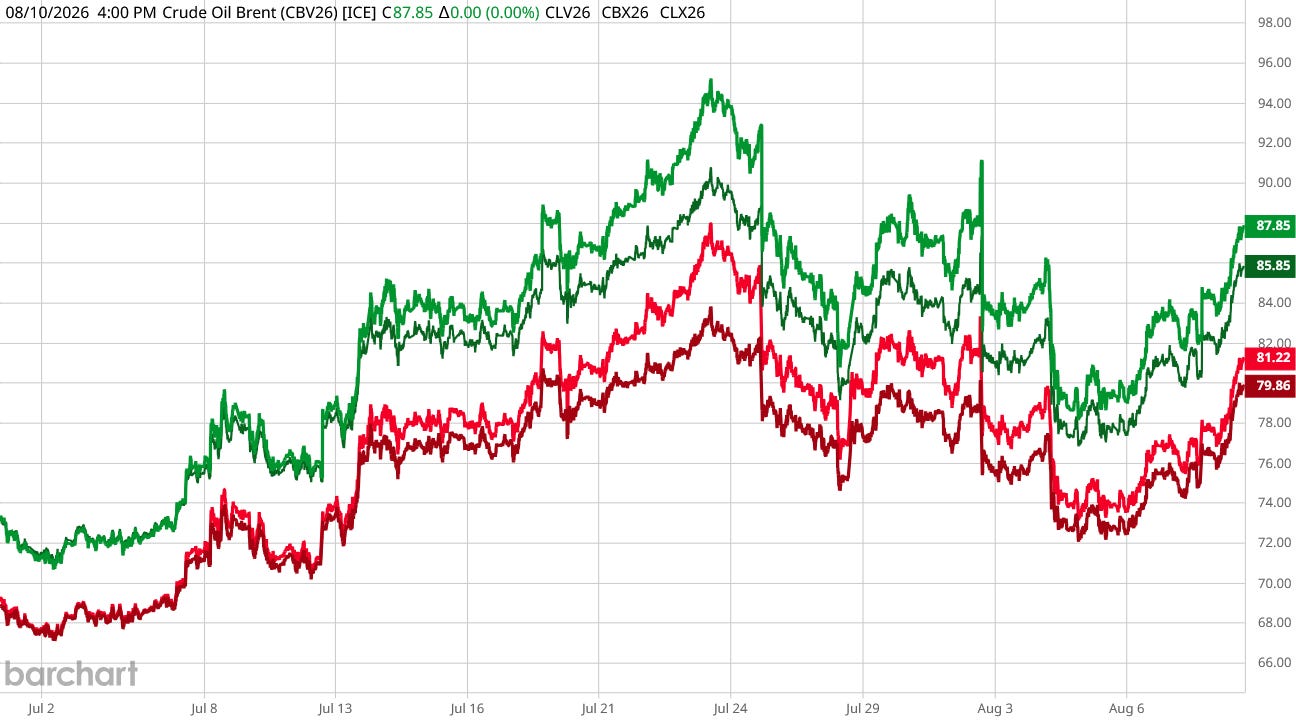
While the refined products of oil have followed a broadly similar price trend, they have been more reluctant to come down in price. In particular, diesel fuel—the fuel which undergirds virtually all transportation and logistics for moving goods around the world—is as of August 10th between 31% and 38% higher than as of July 1 (and roughly 69%-77% above pre-war levels).
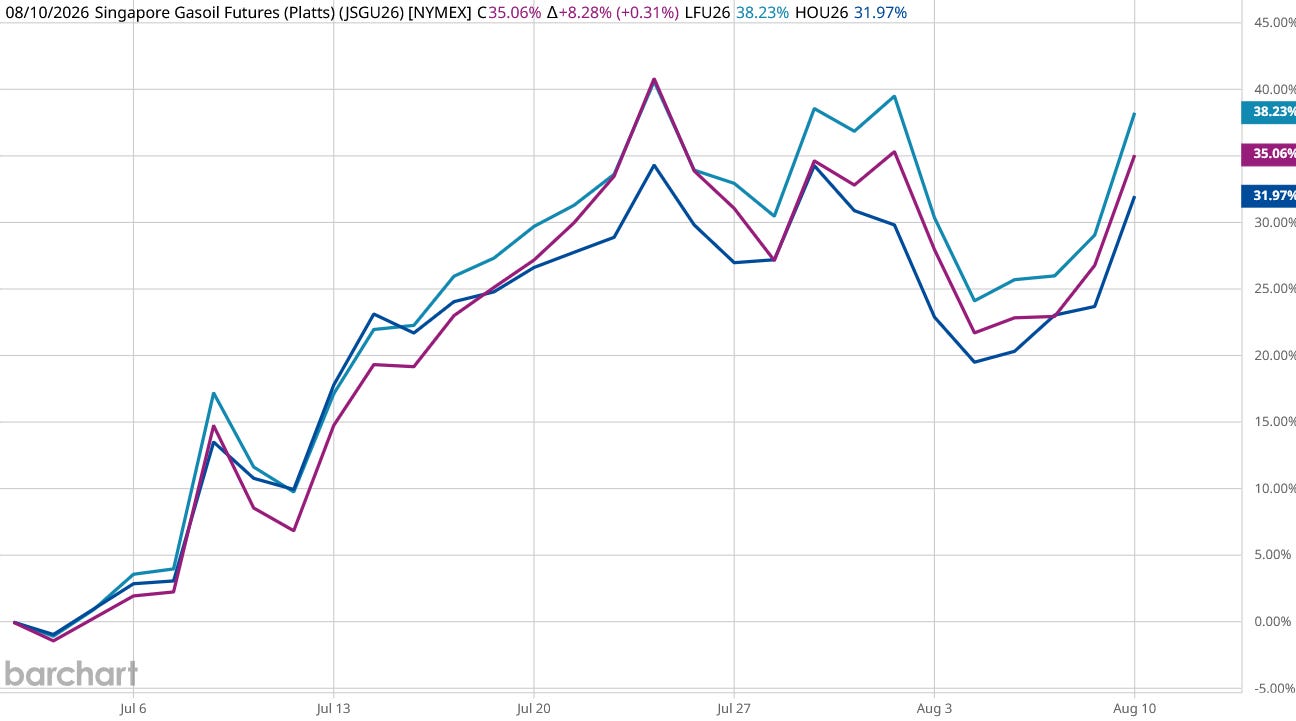
Eventually, that increased cost of diesel will percolate through freight operations globally, raising the cost to move goods around the world. That is not an inflationary pressure which will subside nor is it one which will be absorbed by suppliers indefinitely. Diesel fuel costs will translate into increased consumer price inflation eventually.
Bunker fuel prices for maritime fuels are also up significantly since July 1.
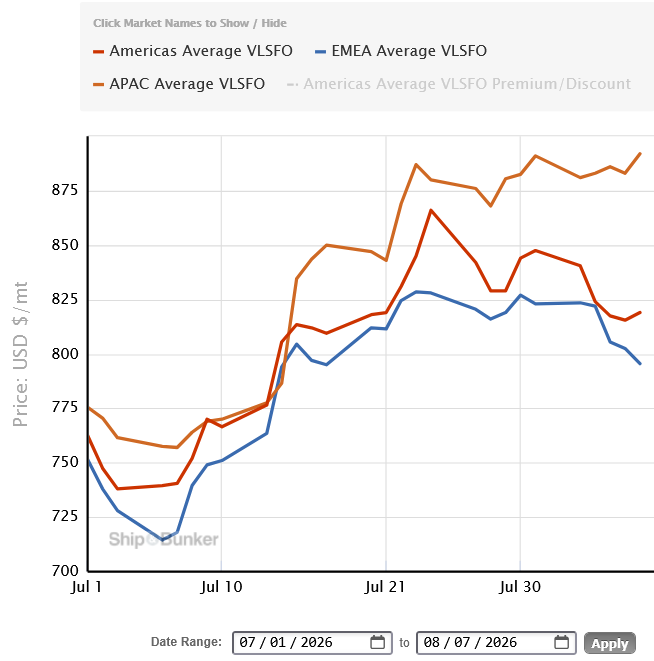
Note that bunker fuel prices in Asian markets is higher than for Europe and the Americas. That is an arbitrage dynamic which is likely to exacerbate consumer price inflation in the US, as it makes the cost of shipping from Asia (i.e., the cost for the US to import goods made in Asian manufacturing centers) greater than the cost of shipping to Asia.
Europe is facing an additional challenge because of rising natural gas prices. At present, futures contracts on Dutch TTF natural gas are running roughly double pre-war prices.
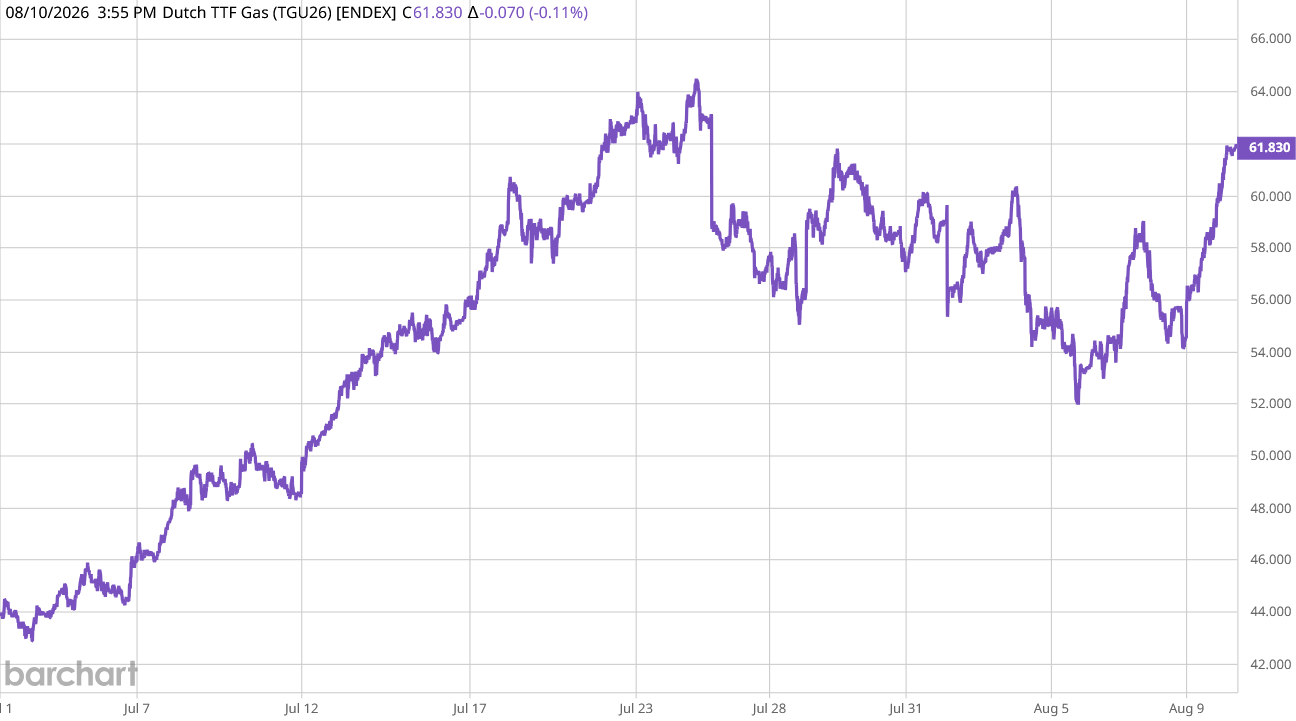
This poses a major challenge for European countries, as they typically stockpile natural gas during the summer months to buffer winter demands for electricity and heat. The surge in prices has made that stockpiling that much more expensive, and is likely to result in less adequate stockpiles once the cold weather arrives.
Domestically, gasoline prices are likely to be under sustained inflationary pressure for some time, as gasoline futures prices are up significantly just from July 1.
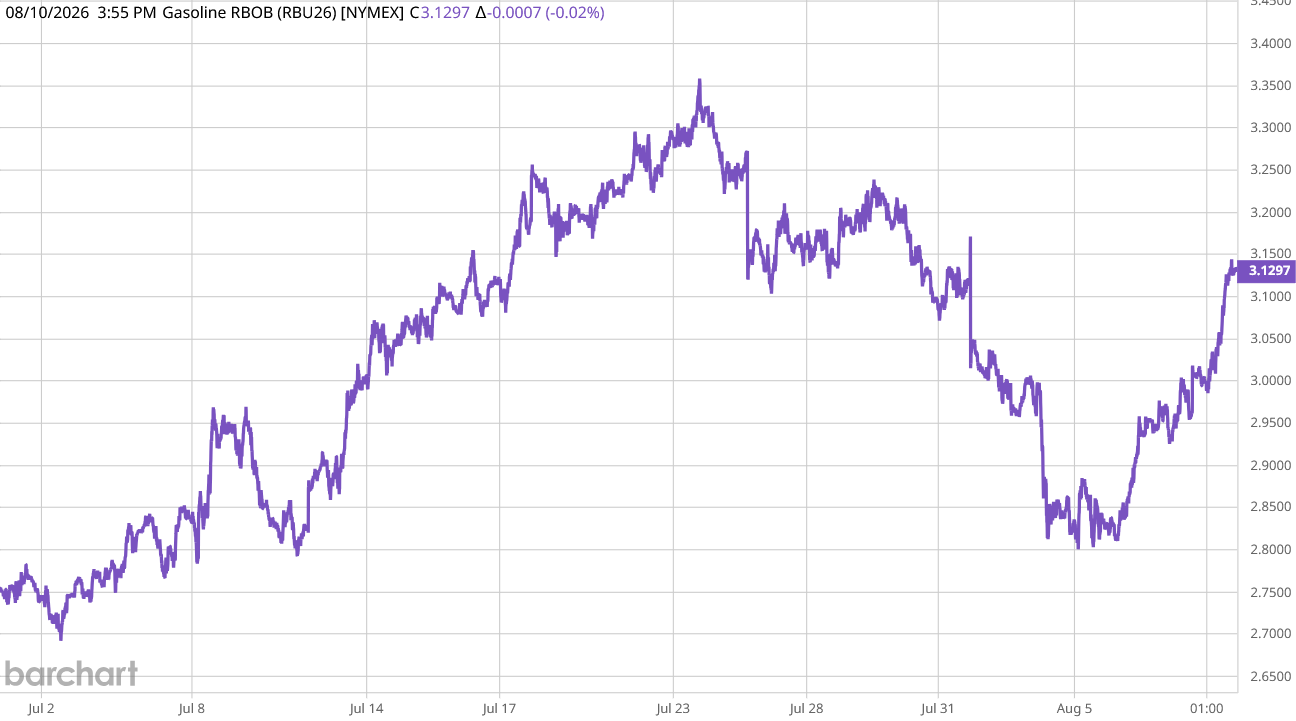
While prices have come down considerably from the end of July, they are still elevated.
Prices at the pump have broadly followed the futures prices (exactly as we would expect).
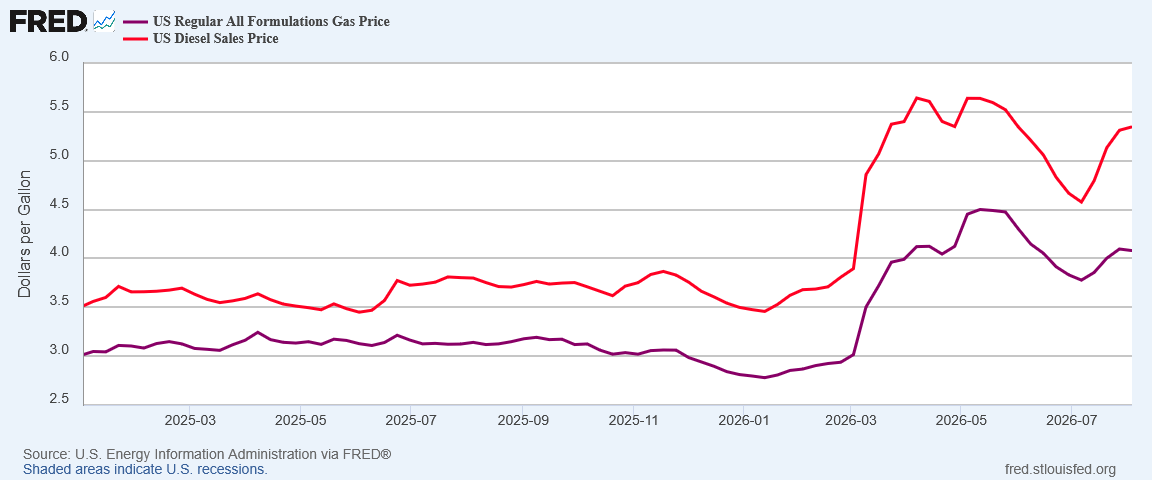
When the July Consumer Price Index Summary report comes out, we should anticipate at least some energy price inflation, and quite possibly a lot of energy price inflation.
The question to be answered when that report does come out is to what extent have increased energy costs—particularly increased fuel costs—become an inflationary pressure on other goods and services within the CPI.
Suffice it to say, the prognosis at present is not encouraging.
Oil-Related Commodities Still High
As I noted in my last analysis, the prices of many oil-related commodities continue to remain elevated from their pre-war levels.
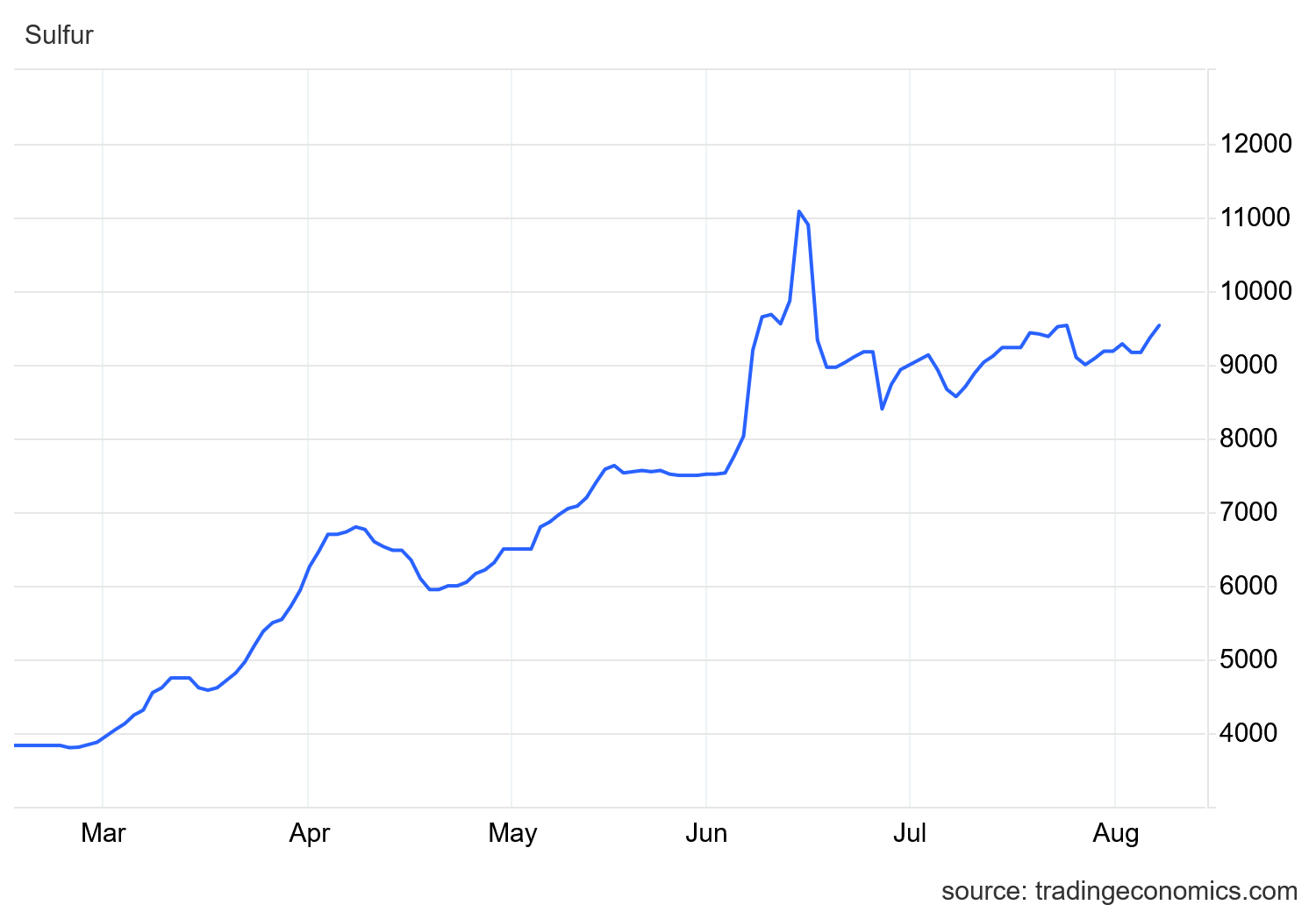
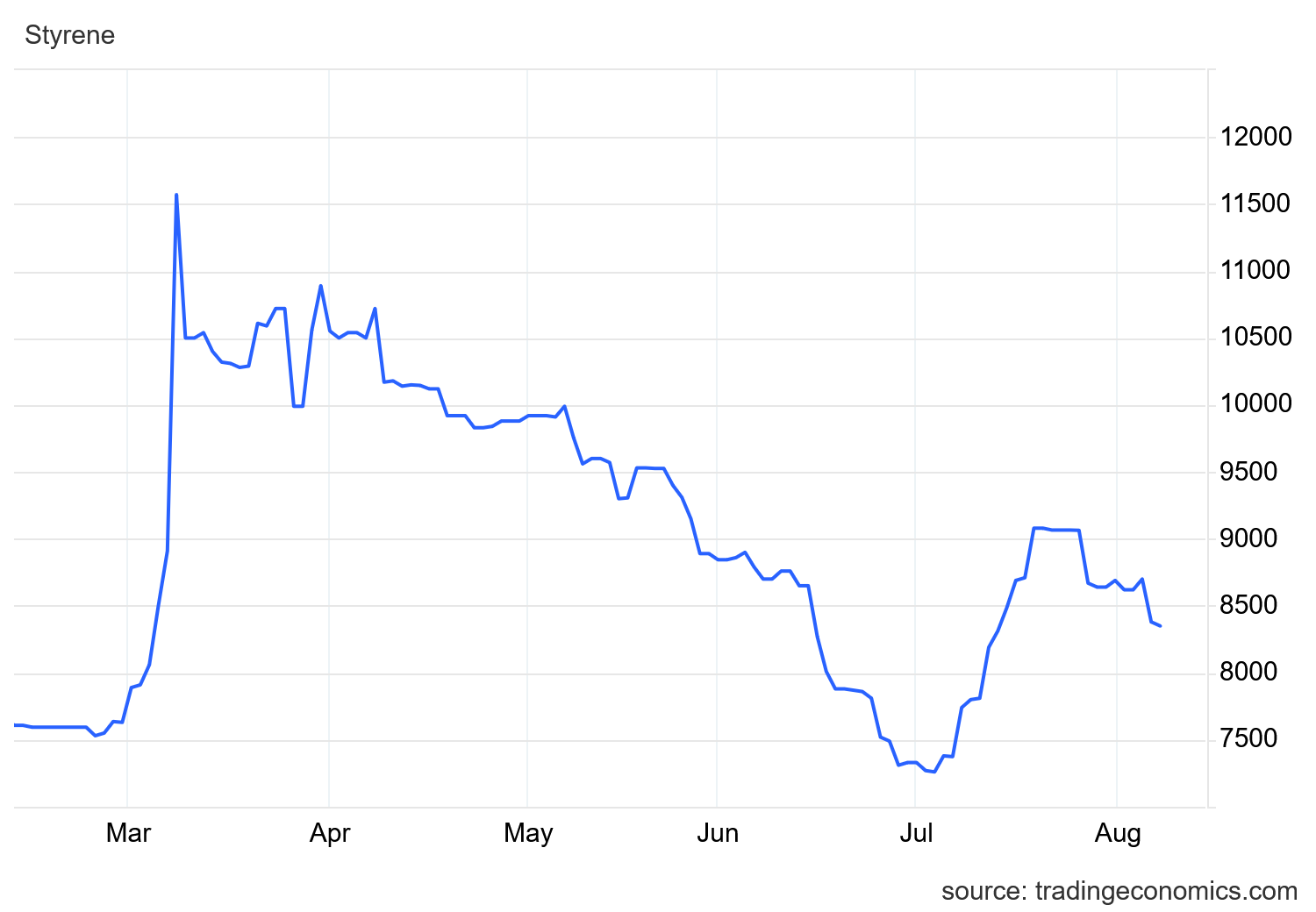
Sulfur prices have more than doubled since the war began, and have shown little downward movement.
Styrene prices had actually recovered from their initial price surge, but have been rising again since the collapse of the MoU.
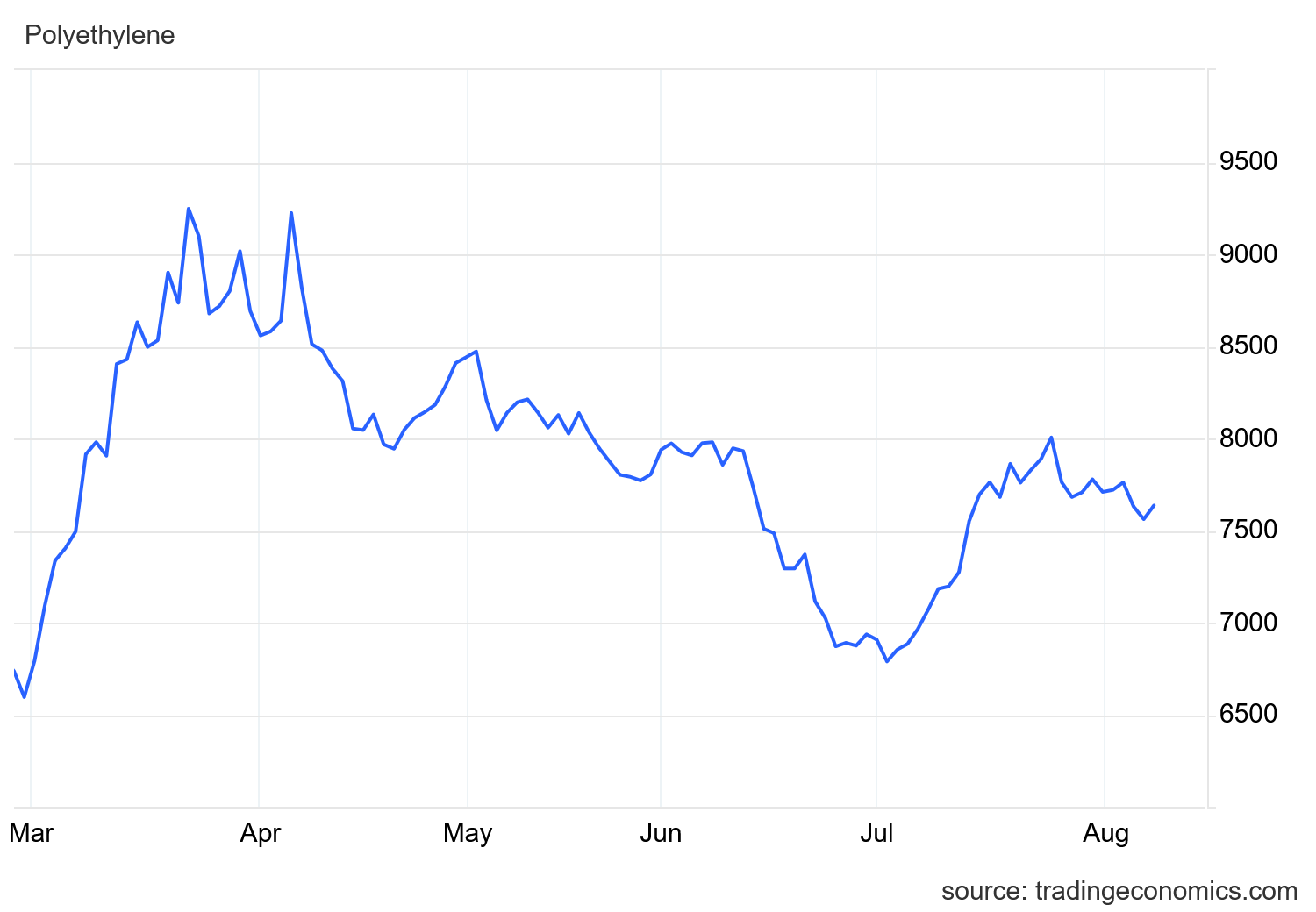
Polyethylene prices have shown a similar up-down-up trajectory.
Bitumen prices have, like sulfur, risen steadily and shown greater reluctance to return to pre-war levels.
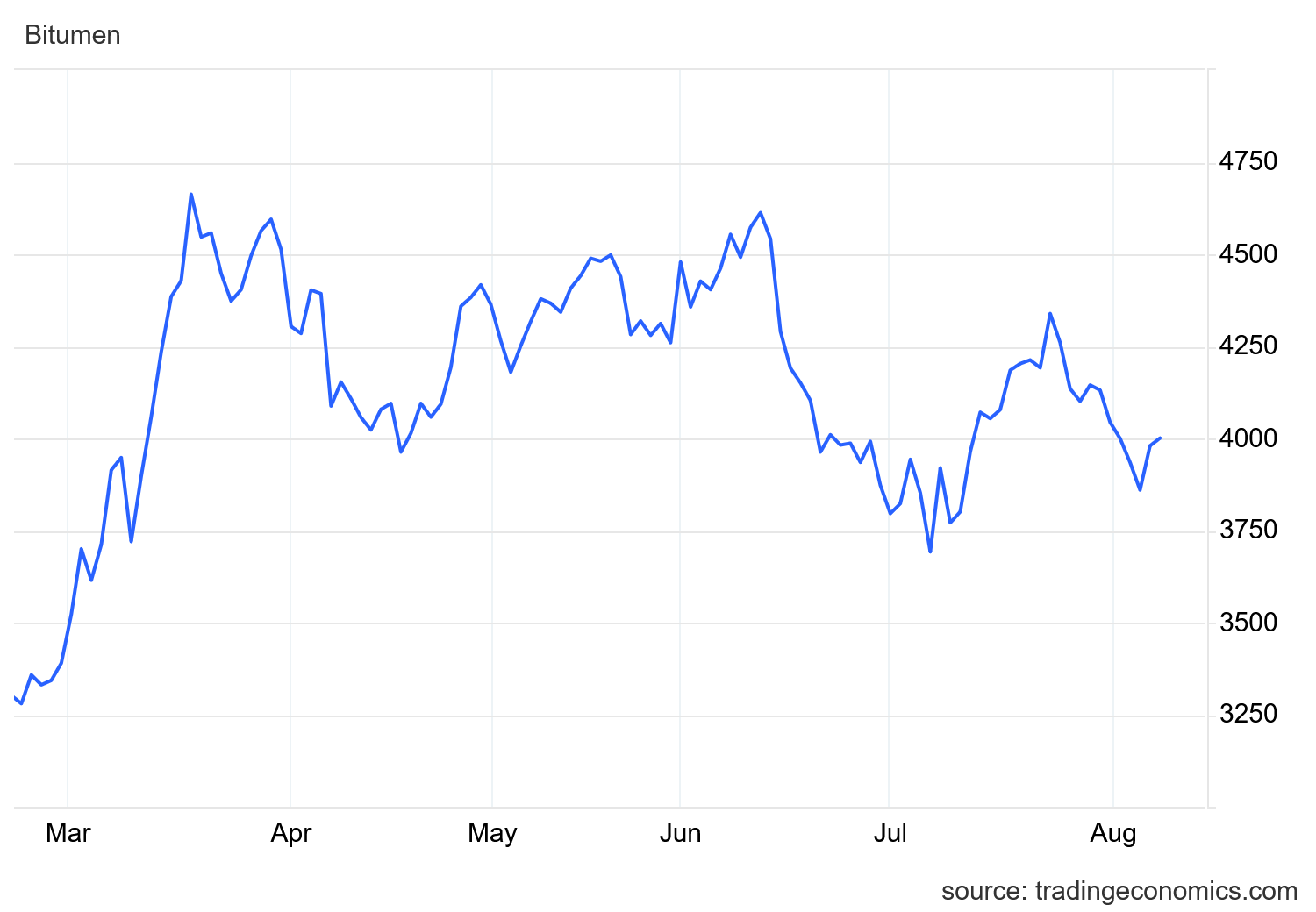
As is the case with all commodities, these are also industrial inputs. These are materials China in particular uses to produce a wide variety of industrial goods. When these commodities become more expensive, industrial production becomes more expensive.
Just as is true with diesel fuel, eventually these cost rises will translate into higher prices for consumer goods. Suppliers may attempt to absorb some of the cost increases initially, but if the inflationary pressure does not ameliorate, eventually these prices must be passed on to the final consumer.
SPR Buffer Nearing Exhaustion
As I noted previously, what has kept the “oilpocalypse” scenario at bay for now has been the willingness of several countries, including the US, to draw down their strategic reserves of crude oil.
However, all strategic reserve stocks are necessarily limited, and the capacity of countries to buffer global crude prices through releases from their strategic reserves is also limited. At least in the case of the United States, that capacity may be nearing its limit, as the Strategic Petroleum Reserve has been drawn down to historically low levels.
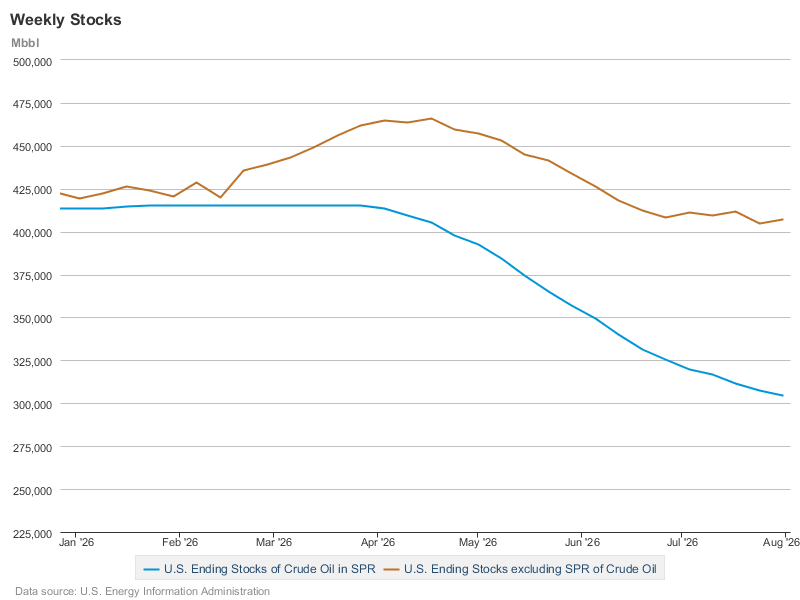
The SPR also has a statutory floor of 252.4 million barrels. If the pace of previous releases is maintained, that floor will be reached within the next couple of months.
Without strategic reserve releases, crude oil prices will quickly rise. The longer the Strait of Hormuz remains closed, the closer all nations come to exhausting their strategic reserves, pushing crude oil prices higher and higher.
Strategic reserve exhaustion, with the current state of affairs in the Persian Gulf, will be the catalyst for a “second wave” oil supply shock, and one which will likely be more severe than the first.
That exhaustion will be the “oilpocalypse”, the steepest rise in global oil prices since the 1973-1974 oil embargo. How quickly nations exhaust their strategic reserve will dictate how quickly oil prices rise, but without a reopening of the Strait of Hormuz, the exhaustion of strategic reserves can only result in a steep increase in global oil prices, with all the knock-on inflationary as well as stagflationary effects that inevitably follow.
Will we get to the point of the oilpocalypse? Only time will tell, but the longer the Strait is closed the closer we get to that point.
China Struggling
We should note that the economic dislocations which are the inevitable consequence of a continued removal of 20% of the world’s oil supply are global in nature. No nation is immune, and that includes China, the United States’ chief economic rival.
In one sense, the war has been a seeming blessing for China, as it has finally ended their lengthy bout of producer price deflation.
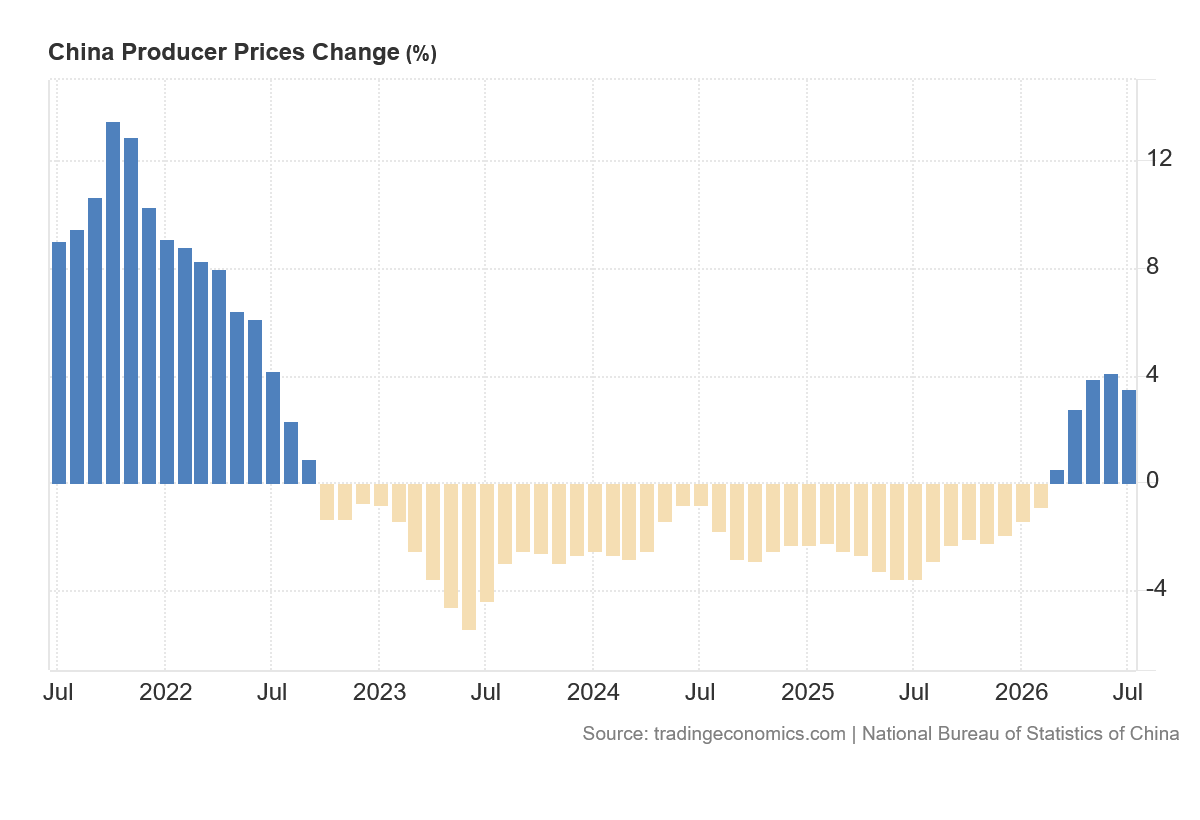
However, by China’s own official metrics, this has not translated into increased manufacturing activity.
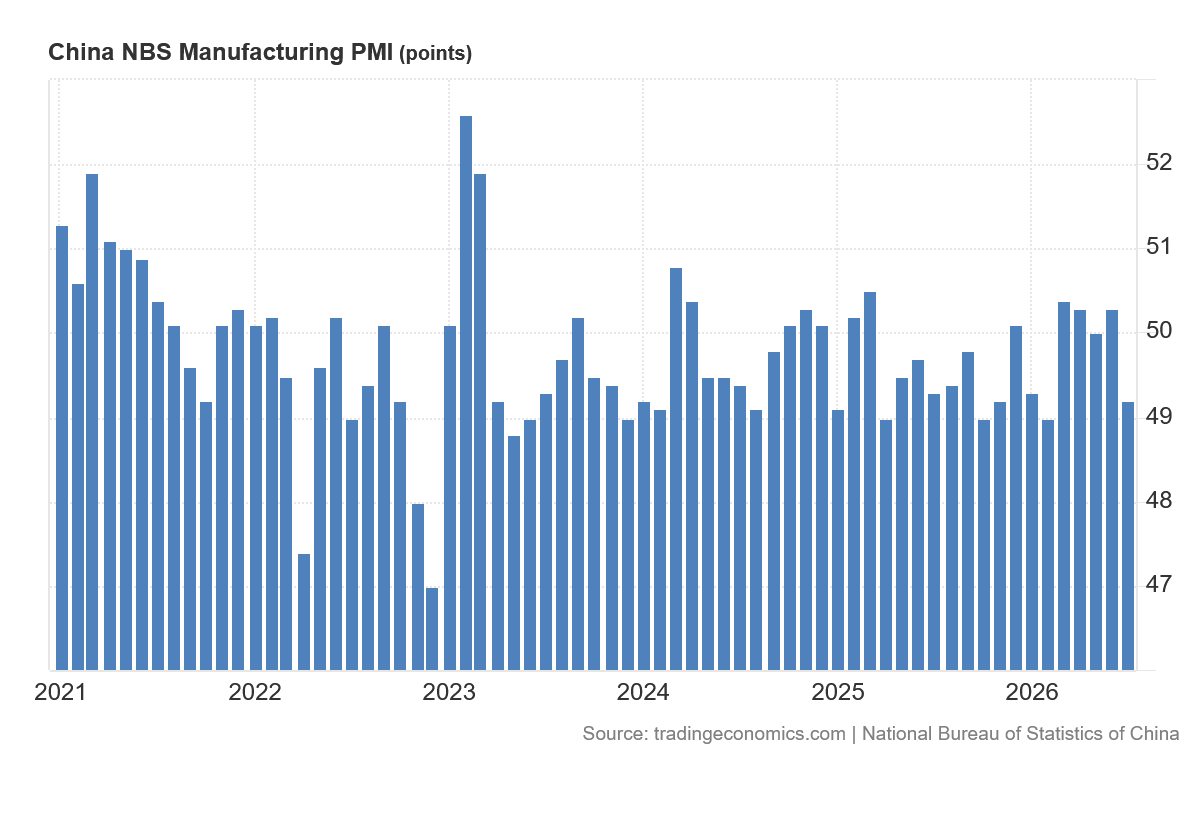
After a brief flirtation with manufacturing expansion, China’s official PMI metric showed manufacturing contracting again in July.
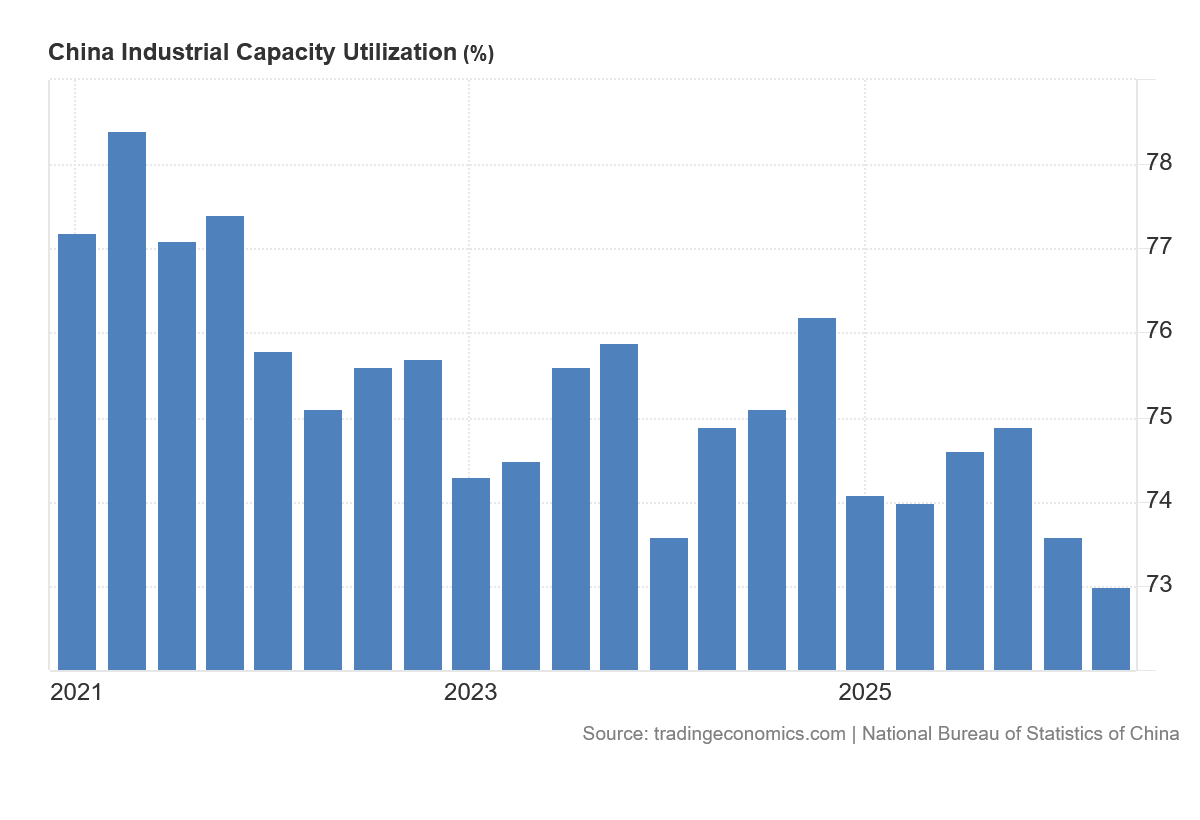
That contraction is confirmed by a declining industrial utilization rate.
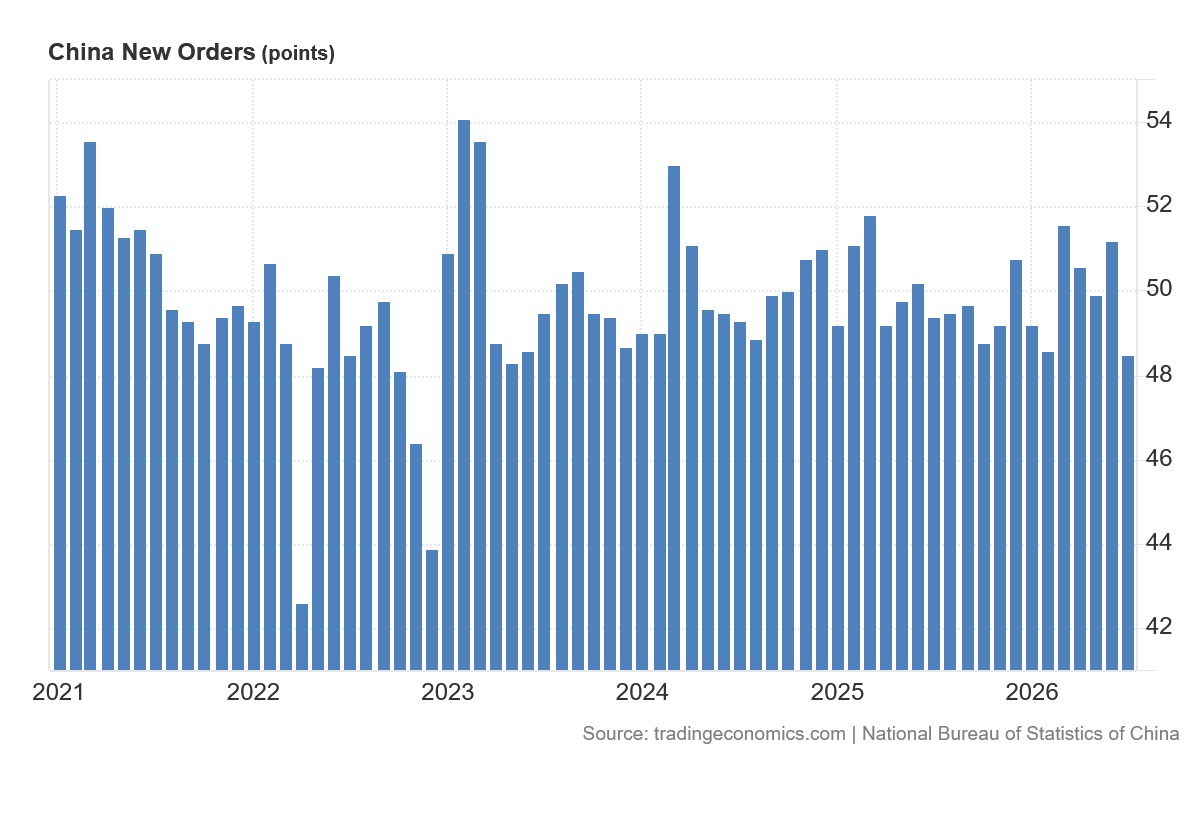
The slip into manufacturing contraction was matched by a collapse in new manufacturing orders.
While China’s retail sales figures rose in June, retail sales growth is a sliver what is normal in the United States, with China’s year on year sales growth approximately the same as America’s month on month retail sales growth.


Even if China were in a position normally to benefit from the Persian Gulf oil supply shock, the dead weight of its ongoing housing crisis is squashing any opportunity for economic growth.
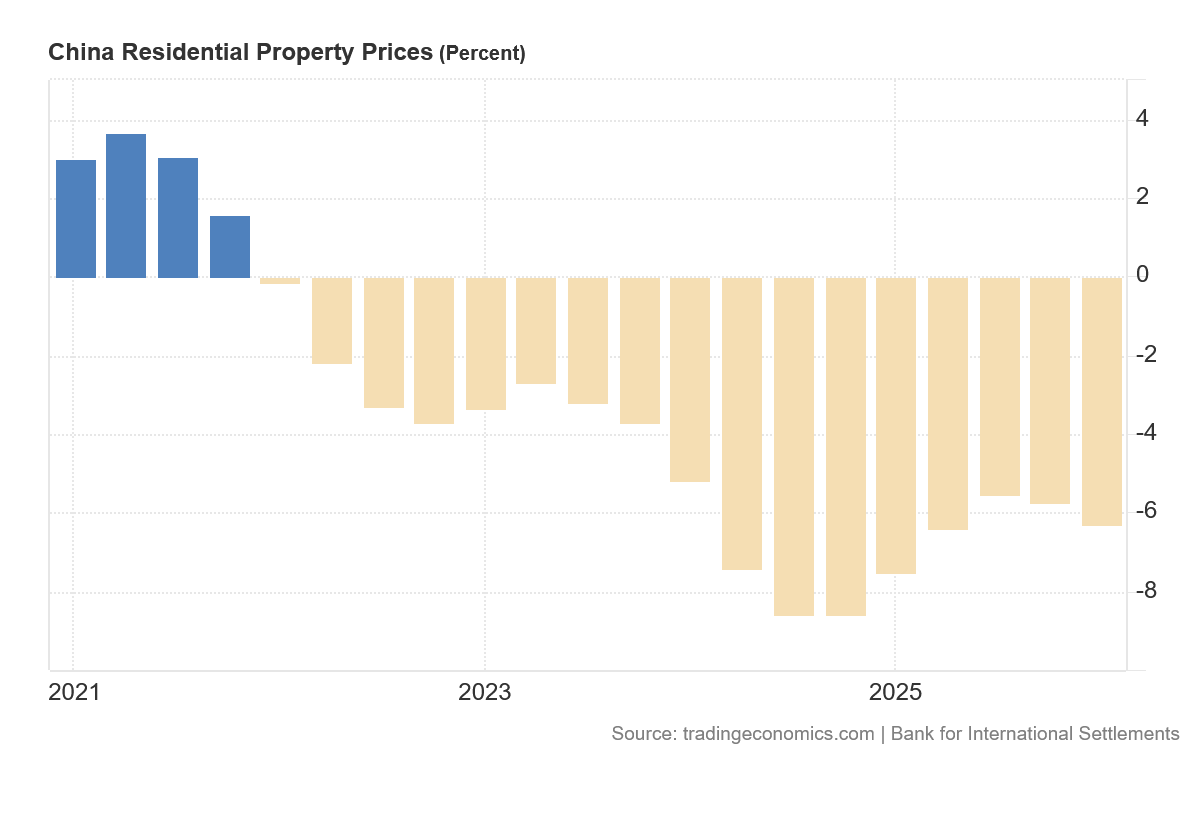
Moreover, even China’s own economists are increasingly willing to acknowledge China has major problems that are getting worse, not better.
In an address last month, Li Daokui, Dean of the Academic Center for Chinese Economic Thinking and Practice at Tsinghua University acknowledged that China has been in deflation and effective recession for at least the past three years—what he termed “running cold.”
Additionally, Li made the remarkable statement that China’s official unemployment statistics systematically undercount the unemployed, and that if those discouraged workers who want a job but are technically not counted in the labor force are included, real unemployment would rise to more than 10%.
The first figure is the broad unemployment rate. Based on the National Bureau of Statistics’ underlying data, we have added back in those people who, after failing to find work over the past two years, are no longer counted statistically as part of the labor force. We call them the “discouraged labor force.” They have not “lain flat”; they still want to find jobs. Counting them as unemployed and adding them back into both the numerator and denominator produces a broad unemployment rate of 10.2 percent. There are roughly 24 million long-term discouraged unemployed people, which is highly unfavorable for social stability.
Interestingly, Li’s proposed revision for calculating unemployment rates is strikingly similar to the methodology I use of adding back in those workers technically not in the US labor force but who want a job now.
The grim reality of the Chinese economy is that is still very much “the Sick Man of Asia”, and that makes it especially vulnerable should global oil prices skyrocket as a result of the oilpocalypse scenario. If the full force of the oilpocalypse does crash over the world’s economies, China is no more likely to be spared than the US, and may even fare worse than the US.
Winning?
The initial casus belli behind Operation Epic Fury was Iran’s nuclear weapons obsession. That was and is a real threat to peace and security around the globe. There is no serious debate to be had on that point.
Yet even as we must acknowledge a strategic imperative in stopping Iran from obtaining nuclear weapons, we cannot avoid acknowledging the cost of that effort.
That cost is steep, and is getting steeper still.
That cost is being paid not just by the United States, but by all nations. As China’s own data shows, most nations will likely pay the bulk of the ultimate cost of denuclearizing Iran.
While the oilpocalypse scenario is not certain, the longer the Strait of Hormuz remains closed the more likely that scenario becomes. The more likely it becomes that the world will see a major stagflationary shock because of the Strait’s closure.
If the oilpocalypse scenario does come to pass, it will be unprecedented. Unlike the 1973-1974 oil embargo which principally impacted the United States, the oilpocalypse will be a global crisis. Every nation is impacted when that much of global oil supply is simply removed from the market altogether. With no oil coming out of the Persian Gulf, China is feeling the impacts along with every other nation, both in terms of reduced supplies of oil available and in terms of increased oil prices.
What happens to the world economy if Brent Crude soars above $150/bbl and stays there for any appreciable length of time? Nobody truly knows—although there is zero chance the outcomes will be good for any country.
What is certain is what must happen if the Strait is not reopened. When supply of any good is dramatically and suddenly reduced, in order for markets to return to any sort of pricing equilibrium, overall demand must be reduced as well.
If the oilpocalypse supply shock hits the world’s economies full force, once global strategic reserve buffers are exhausted, demand destruction will be the global consequence.
Will that demand destruction occur among most or all nations simultaneously? Quite possibly. If that happens, that would be a level of economic synchronicity not seen even in the 2008 Great Financial Crisis or the Great Depression of the 1930s.
Are there any economic models which can tell us how that would play out? No.
Will the oilpocalypse be a superior outcome to a nuclear armed Iran? Given Iran’s penchant for exporting terrorism, anarchy, and chaos, I am prepared to accept that the economic turmoil which may be about to wash over the world is a better alternative than Iran getting a nuclear weapon.
At the same time, the magnitude of the economic turmoil which may be about to wash over the world is scarifying all on its own.
If President Trump succeeds in de-nuclearizing Iran, does that constitute “winning”? Technically, yes it does—but if the price is the oilpocalypse, it is not going to feel like much of a victory.
Wow - really great column today, Peter! Excellent data and analysis; you always impress (and you make me fume, “Why can’t corporate media come up with stuff HALF as good as Peter’s?)
Okay, it’s three months until the midterm elections. Iran seems to be betting that making the war drag on will cost Trump his support in the Legislature, and derail his agenda. Trump, meanwhile, is betting that Iran will completely tank before then, and Trump will be able to convincingly declare success. Peter, looking at all of the data, and extrapolating from current rates of economic decline, can you make a qualified projection at this time which is likely to be right, Trump or the IRGC?